
Blog
Essential Vaccines and Check-Ups for School-Aged Kids
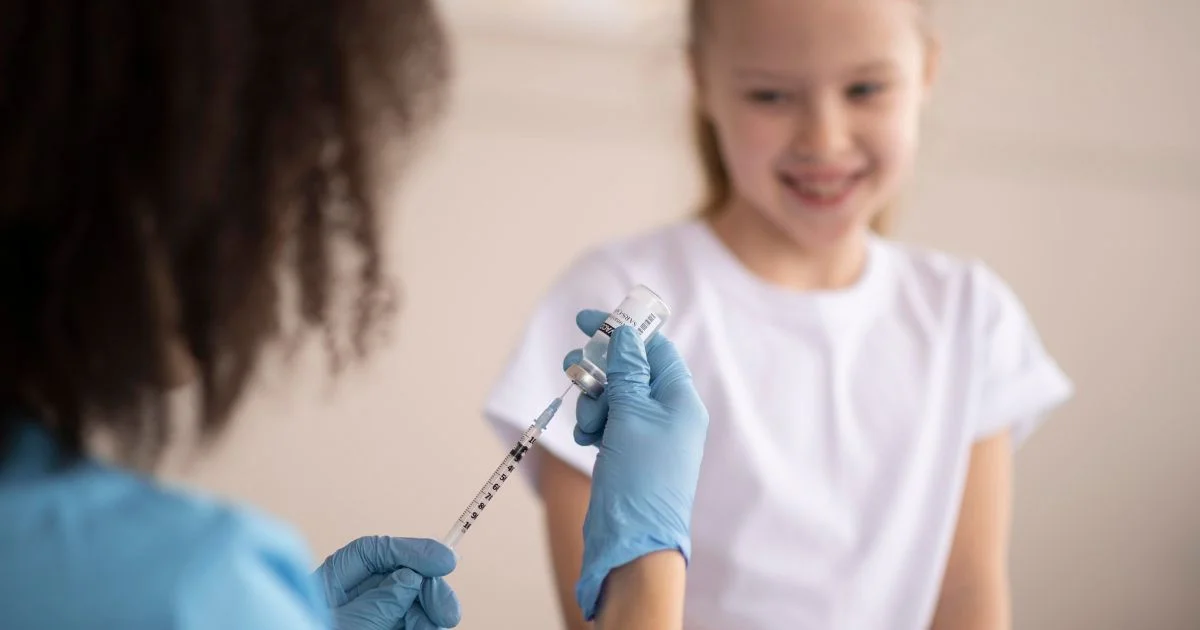
School prep means different things to different families. For some, it's the annual hunt for the perfect backpack. For others, it's negotiating which superhero lunchbox makes the cut this year.
But there's another side to getting ready for school that's just as important as pencil cases and new sneakers. Making sure your kids are healthy and protected.
Ontario schools require proof of certain vaccinations before kids can attend. It's not bureaucratic red tape – it's about keeping classrooms, sports teams, and entire school communities safer. When kids are up to date on their shots, everyone benefits.
At Cook's Pharmacy, we help families navigate back-to-school health requirements. Most parents find it's more straightforward than they expected.
Which Vaccines Are Required in Ontario?
Let's start with what's mandatory. Ontario has clear requirements for school attendance, and they're non-negotiable.
For all school-aged children, you need proof of vaccination against:
Diphtheria, tetanus, pertussis, and polio (often given as one shot)
Measles, mumps, and rubella (the MMR vaccine)
Meningococcal disease
Varicella (chickenpox)
Grade 7 students need additional vaccines:
Hepatitis B (three doses over six months)
Human papillomavirus (HPV) - requires parental consent
Meningococcal conjugate booster
The timing matters too. Most kids get their "school entry" boosters between ages 4-6. If your child went to daycare, they're already caught up. But double-check anyway – requirements can shift, and some vaccines need boosters at specific intervals.
Grade 7 is when things pick up again. These vaccines are typically offered through school programs, but parents need to sign consent forms. If you miss the school clinic, you'll need to arrange them elsewhere, which usually means more time and potentially more cost.
Medical and religious exemptions exist, but they require proper documentation. During disease outbreaks, unvaccinated children might be temporarily excluded from school for everyone's safety.
If you’re not sure if your child's essential vaccines are up to date, your pharmacist can check their records and help you figure out what's needed.
Optional Vaccines Worth Asking About
Beyond the required shots, there are several vaccines that aren't mandatory but make a lot of sense for school-aged kids.
COVID-19 vaccines remain relevant for school-aged immunity. Kids can still get seriously ill from COVID, and vaccination helps reduce transmission in schools.
Annual flu shots are free for Ontario children and help prevent those February classroom outbreaks that seem to knock out half the class at once. Learn more about which vaccines your family needs this fall.
Hepatitis A and B vaccines aren't routine for all kids, but they're recommended for children with certain risk factors or travel plans.
Speaking of travel – if your family has trips planned, there might be destination-specific vaccines to consider. Cook's offers travel health consultations to help you sort through what's needed for different countries.
Many pharmacists can now administer vaccines for children five and older, which can be more convenient than booking with your family doctor, especially during busy back-to-school season. Our guide to supporting kids' immune systems has more tips for keeping children healthy year-round.

What You Might Be Missing on the Back-to-School Checklist
Vision problems often fly under the radar because kids don't realize they can't see clearly. They assume everyone sees the world the same way they do.
Kids don't complain about blurry vision because they think everyone sees the world the same way they do. They adapt by sitting closer to the board, squinting, or avoiding activities that require clear sight.
Ontario covers one full eye exam per year for children under 19. It's worth using this benefit, especially before school starts. Vision issues can affect everything from reading to sports to social confidence.
Early hearing checks matter too. Hearing problems can impact speech development, learning, and a child's ability to focus in noisy classrooms. Kids with even mild hearing loss might seem distracted or uncooperative when they're struggling to hear instructions.
Book these appointments before school starts, when schedules are less crazy and you can actually get in.
Don't Skip the Dentist Before the Bell Rings
Dental pain is one of the biggest causes of missed school days. A toothache doesn't care about your math test or the big game.
Many families are eligible for coverage through Healthy Smiles Ontario, which helps with the cost of dental care for children. Even if you're not sure about eligibility, it's worth checking.
Beyond preventing pain, good dental health affects nutrition, sleep, and self-confidence. Nobody wants their kid worrying about their smile during school photos or holding back from laughing with friends.
This is also a great time to refresh the basics – brushing technique, flossing habits, and understanding which snacks are better for teeth than others. Pack apple slices instead of fruit snacks, or cheese sticks instead of crackers that stick to teeth.
It's Not Just Height and Weight
Your child's annual check-up tracks development far beyond physical milestones. These visits also ensure essential vaccines for school remain current and help identify issues early when they're easier to address.
Children's health, including mental health, has become part of the conversation, and for good reason. School can be stressful. Academic pressure, social dynamics, changing friendships, and increased independence all affect kids differently.
Anxiety, attention difficulties, sleep problems, and social stress are all things paediatricians and family doctors can screen for. Getting kids back into healthy sleep routines is especially important as school starts. The earlier these concerns are identified, the more options families have for support.
Don't hold back on questions during these visits. You know your child better than anyone. If something seems off – behaviour changes, sleep disruption, mood shifts – bring it up. These observations are valuable information for healthcare providers.
Writing down concerns between appointments helps too. It's easy to forget key details when you're sitting in the doctor's office, but that list on your phone can catch things that might otherwise be missed.
Pharmacists can also notice changes during medication reviews or routine visits that might not be apparent during brief medical appointments.
Does Your Child Need Medications During School Hours?
If your child takes medication during school, there's some planning involved. Rules vary by school board, but most require specific forms, permissions, and storage protocols.
Inhalers for asthma, EpiPens for severe allergies, ADHD medications – all these need to be properly documented with the school. You'll typically need extra doses that stay at school, properly labelled with your child's name and dosing instructions.
Some medications work better in certain forms for school use. Liquid medications might be easier for younger kids to take independently. Extended-release formulations might eliminate the need for midday doses altogether.
We help families with school-friendly versions of medications at Cook's Pharmacy. This might mean custom liquid formulations for kids who struggle with pills, or packaging medications in easy-to-manage doses for school use.
School nurses and administrators are usually helpful about working with families to find solutions that keep kids safe while minimising disruption to their school day.
How to Stay on Top of It All
Organisation makes everything easier, but it doesn't have to be complicated.
Keep a simple health folder for each child – either paper or digital, whatever works for your family. Include vaccination records, appointment summaries, prescription information, and any school health forms.
Track important dates: annual check-ups, booster shots, prescription refills, and dental visits. Most vaccines and check-ups follow predictable schedules, so planning reduces stress.
Consider booking health appointments in July or August to avoid the last-minute rush. September appointments fill up quickly because everyone else is scrambling too.
Your pharmacist can be a great resource beyond just filling prescriptions. We can check vaccination records, answer questions about medication timing, and help coordinate care with other healthcare providers.
Some families swear by phone reminders for appointments. Others prefer old-school wall calendars where everyone can see what's coming up. Find what works for your family and stick with it.
Phone apps can help track medical information too. Many let you store photos of vaccination cards, set appointment reminders, and keep notes about each child's health history.
Making This School Year a Healthy One
When kids feel good, they're better equipped to handle whatever the school year throws at them. Health affects everything – physical stamina, mental focus, social confidence, and emotional resilience.
You don't have to navigate this alone. At Cook's, we support families with back-to-school health needs through:
Vaccination services for school-required and recommended shots
Medication reviews to ensure prescriptions are working well
Custom compounded medications when standard formulations don't work
School-safe medication packaging and dosing advice
Travel health consultations for family trips
Most parents worry about getting everything right. The truth is, you're doing better than you think. Start with the basics – make sure vaccines are current, book routine check-ups, and address any concerns you've been wondering about.
The goal isn't perfection. It's helping your kids start the school year feeling healthy, confident, and ready to learn. Some years everything goes smoothly. Other years, you're scrambling with last-minute prescription refills. Both scenarios are completely normal.
Good health habits built during childhood often carry into adulthood. Teaching kids to take care of themselves and work with healthcare providers sets them up for better health decisions throughout life.
Have questions about your child's back-to-school health needs? Talk to your local Cook's pharmacist today. We're here to help make the transition back to school as smooth as possible for your whole family.




Contributors

Latest Posts
Show All Recent Posts
Archive
-
2026
-
October
-
September
-
August
-
July
-
June
-
May
-
April
-
March
-
February
-
January
-
-
2025
-
December
-
November
-
October
-
September
-
August
-
July
-
June
-
May
-
April
-
March
-
February
-
January
-
-
2024
-
December
-
November
-
October
-
September
-
August
-
July
-
June
-
May
-
April
-
March
-
February
-
January
-
-
2023
-
December
-
November
-
October
-
September
-
August
-
May
-
April
-
March
-
February
-
January
-
-
2022
-
December
-
November
-
October
-
September
-
August
-
July
-
June
-
May
-
April
-
February
-