
Blog
Summertime Fitness: Tips for Exercising Safely in the Heat

Ever notice how your usual morning run feels like jogging through molasses once July hits? You step outside, immediately regret it, but lace up anyway because, well, you said you would.
Your body's trying to power your workout and cool you down at the same time. You're not out of shape—you're battling heat physics. That same route from May now has you questioning your life choices by kilometre two.
The good news: no need to hibernate indoors all summer. You just need to outsmart the heat.
Why Summer Workouts Hit Different
Your body runs on a tight temperature budget. Exercise generates internal heat, and summer weather blocks your natural cooling system. It's like trying to keep your laptop cool while it's sitting in direct sunlight. Everything works harder and less efficiently.
When you exercise in heat, your heart rate spikes higher than usual, you sweat more, and fatigue sets in faster. This isn't weakness. It's your body protecting itself from overheating.
According to Health Canada, when the humidex reaches 30°C or higher, you're entering the caution zone for outdoor activities. At 40°C and above, exercise becomes dangerous for most people. But even before you hit those numbers, your performance takes a hit.
Your blood vessels dilate to help release heat through your skin, which means less blood returns to your heart. To compensate, your heart beats faster, sometimes 10-15 beats per minute higher than normal, even at the same intensity. Meanwhile, you're sweating at a rate that can quickly lead to dehydration if you're not careful.
The Only Times Worth Exercising in Summer
The easiest fix? Change when you move, not how much.
Prime time: Before 10 AM or after 6 PM, when temperatures drop and the sun loses its edge. Early morning often offers the bonus of cooler pavement and less traffic if you're a runner or cyclist.
Danger zone: 11 AM to 4 PM, especially on humid days when sweat becomes your enemy instead of your friend. During these hours, even shade won't save you from the accumulated heat.
If midday is your only option, find shade or head indoors. Air-conditioned gyms, indoor pools, and mall walking suddenly become very appealing when it's 35°C outside.
Weather apps can help you plan better. Look for the "feels like" temperature, not just the actual temperature. Humidity makes a dramatic difference. A 25°C day with 80% humidity can feel worse than a 30°C day with low humidity.
Hydration Strategy That Actually Works
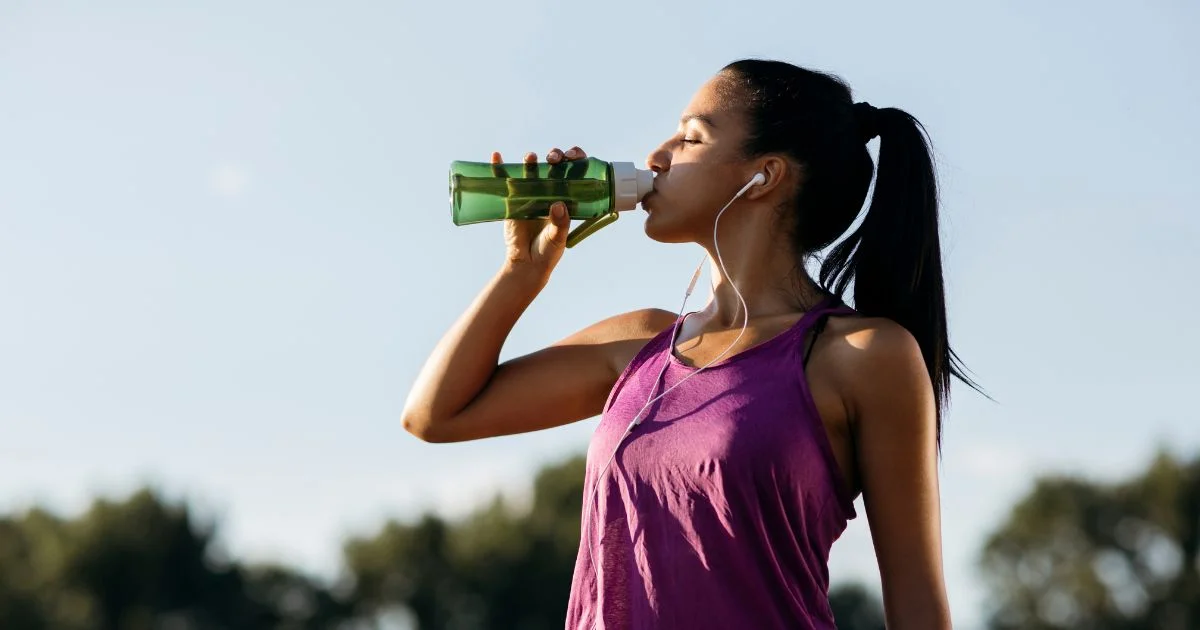
You've heard 'drink more water' a million times, but timing matters more than quantity.
Start hydrating 2-3 hours before you exercise, not when you feel thirsty. Thirst is actually a late-stage signal that you're already becoming dehydrated. Aim for about 500ml of water in the hours leading up to your workout.
During exercise, sip regularly rather than chugging substantial amounts. Your body can only absorb about 200-300ml every 15-20 minutes. For workouts longer than an hour, plain water isn't enough. You need to replace electrolytes too, especially sodium and potassium.
Post-workout, the rule is simple: drink 150% of what you lost through sweat. If you lost one pound during exercise (yes, weigh yourself before and after), drink about 750ml of fluid. Your urine colour is a reliable gauge. Pale yellow means you're well-hydrated; dark yellow suggests you need more fluids.
Sports drinks have their place, but they're not always necessary. For workouts under an hour, water does the job. For longer sessions or particularly sweaty workouts, look for drinks with 100-200mg of sodium per serving.
Coconut water offers a natural alternative to commercial sports drinks, though it's lower in sodium than most people need during intense summer workouts. If you prefer natural options, adding a pinch of sea salt to water can help replace what you lose through sweat.
What to Wear When It's Too Hot to Exercise
Your workout gear becomes crucial in summer heat. Cotton feels comfortable until you're basically wearing a wet towel. Synthetic fabrics designed for athletic wear wick sweat away and dry faster.
Light colours reflect heat better than dark ones. This isn't just about comfort. Black or dark blue shirts can absorb significantly more heat than white or light grey alternatives.
Don't forget your head and feet. A lightweight cap or visor protects your scalp and keeps sun out of your eyes. Your feet swell in heat, so consider going up half a size in summer running shoes if you're training for longer distances.
Compression gear requires special consideration in summer. While it can improve performance, it also traps heat. If you use compression clothing, choose lighter weights and consider skipping it on particularly hot days.
Heat Exhaustion Signs You Can't Ignore
Heat exhaustion and heat stroke are real risks, not just theoretical concerns.
Heat exhaustion symptoms include heavy sweating, weakness, nausea, headache, and dizziness. You might feel clammy and notice your heart racing.
Heat stroke is more serious. Body temperature rises above 40°C, sweating may stop completely, and confusion or altered mental state can occur. This is a medical emergency requiring immediate attention.
The key is catching early warning signs. If you feel dizzy, nauseated, or notice you've stopped sweating despite exertion, stop immediately. Find shade, remove excess clothing, and start cooling down with water on your skin.
Trust your instincts. If something feels wrong, it probably is. There's no shame in cutting a workout short when heat becomes a factor.
How Your Medications Affect Summer Exercise
Many common medications affect how your body handles heat, and this is something we discuss regularly with patients at Cook's Pharmacy. Diuretics, blood pressure medications, antihistamines, and some antidepressants can all interfere with your body's cooling mechanisms or increase dehydration risk.
If you take any prescription medications, especially multiple ones, it's worth asking your pharmacist how they might affect your summer exercise routine.
Some medications make you more sensitive to sun exposure, while others can impair your ability to sweat effectively.
Don't stop taking prescribed medications but do adjust your exercise intensity and duration accordingly. Your pharmacist can help you understand specific risks and suggest timing adjustments if needed.
Beta-blockers, commonly prescribed for heart conditions, can prevent your heart rate from rising appropriately during exercise. This makes it harder to gauge your exertion level in heat. ACE inhibitors and diuretics can increase dehydration risk, making summer hydration even more critical.
Exercise Alternatives When It's Too Hot Outside
When the heat makes outdoor workouts uncomfortable, creativity pays off. Swimming tops the list, but don’t overlook water walking or aqua fitness—great cardio with built-in cooling.
Indoor climbing gyms and yoga studios offer climate-controlled alternatives that keep you moving without the heat strain. Hiking early or late in shaded areas near water can still be effective, with temperatures up to 10 degrees cooler.
Seasonal sports like beach volleyball and paddleboarding let you enjoy summer while staying cool naturally.
Nutrition for Hot Weather Workouts
Heat can curb your appetite, but your body still needs fuel—especially before a workout. Stick to lighter foods that digest easily.
Hydrating fruits like watermelon, oranges, and grapes provide fast energy and aid recovery. Skip heavy, high-fat meals that compete with your body’s cooling process.
If you're sweating a lot, restore your electrolyte balance with a few salted nuts, pretzels, or a pinch of sea salt in water.
Reading Your Body's Heat Stress Signals
Your body provides clear feedback about heat stress if you know what to look for. Muscle cramps often signal electrolyte imbalances. Unusual fatigue that seems disproportionate to your effort level suggests your cooling system is working overtime.
Pay attention to your breathing pattern. If you're panting excessively or feeling short of breath earlier than usual, heat stress might be the culprit rather than poor fitness.
Your appetite can also provide clues. Heat stress often suppresses appetite, which can create a cycle of inadequate nutrition and poor recovery.
Sleep quality affects heat tolerance too. Poor sleep reduces your body's ability to regulate temperature effectively, making you more vulnerable to heat-related problems during exercise.
Making Summer Fitness Sustainable
The goal isn't to maintain your exact winter routine through July and August. It's to stay consistently active while respecting the environmental challenges.
Consider splitting longer workouts into shorter sessions. Two 20-minute walks might be more pleasant and sustainable than one 40-minute trek in the heat.
Cross-training becomes especially valuable in summer. If running feels miserable at 30°C, maybe it's the perfect time to focus on strength training in an air-conditioned gym or take up swimming.
Remember that consistency matters more than intensity. A sustainable summer routine that keeps you moving beats an ambitious plan that leaves you exhausted or increases injury risk.
Adjust your goals seasonally. This doesn't mean lowering standards but rather adapting them to environmental realities. Training for a fall marathon might mean more indoor workouts and shorter outdoor runs during peak summer heat.
Recovery in the Heat
Post-workout recovery requires extra attention in summer. Your core temperature stays elevated longer after exercise in hot weather, which can interfere with the recovery process.
Cool showers or baths help bring your body temperature down more quickly. Ice baths aren't necessary for most people, but cool water can speed recovery and feel incredible after a hot workout.
Prioritize sleep quality, which becomes more challenging in summer heat. A cool, dark room promotes better rest, which is essential for recovery and heat tolerance.
Staying Active All Summer
Summer heat doesn't have to derail your fitness goals. With smart timing, proper hydration, and awareness of your body's signals, you can stay active safely all season long.
And if you have questions about how your medications might affect summer exercise, your pharmacist at Cook's Pharmacy is always available to help you exercise safely year-round. The key is working with the weather, not against it.
Your body will thank you for the thoughtful approach.




Contributors

Latest Posts
Show All Recent Posts
Archive
-
2026
-
October
-
September
-
August
-
July
-
June
-
May
-
April
-
March
-
February
-
January
-
-
2025
-
December
-
November
-
October
-
September
-
August
-
July
-
June
-
May
-
April
-
March
-
February
-
January
-
-
2024
-
December
-
November
-
October
-
September
-
August
-
July
-
June
-
May
-
April
-
March
-
February
-
January
-
-
2023
-
December
-
November
-
October
-
September
-
August
-
May
-
April
-
March
-
February
-
January
-
-
2022
-
December
-
November
-
October
-
September
-
August
-
July
-
June
-
May
-
April
-
February
-