
Blog
Food First: When Supplements Help, And When They Don’t
Your ferritin is 12 ng/mL and you're exhausted. You've been eating spinach every day for three months because whole foods should fix this, and taking iron feels like admitting your diet failed. The number hasn't moved. The spinach isn't working.
Or the opposite problem: your bathroom cabinet has five bottles you started because wellness accounts said everyone needs them. The blood work you had done last year didn't flag deficiencies, but stopping feels irresponsible. You're spending money on nutrients your body might not be using.
The information that settles this isn't in the supplement aisle or on social media. It's in your blood work, and most people are guessing without it.
Food Does This Better Than Any Pill Can
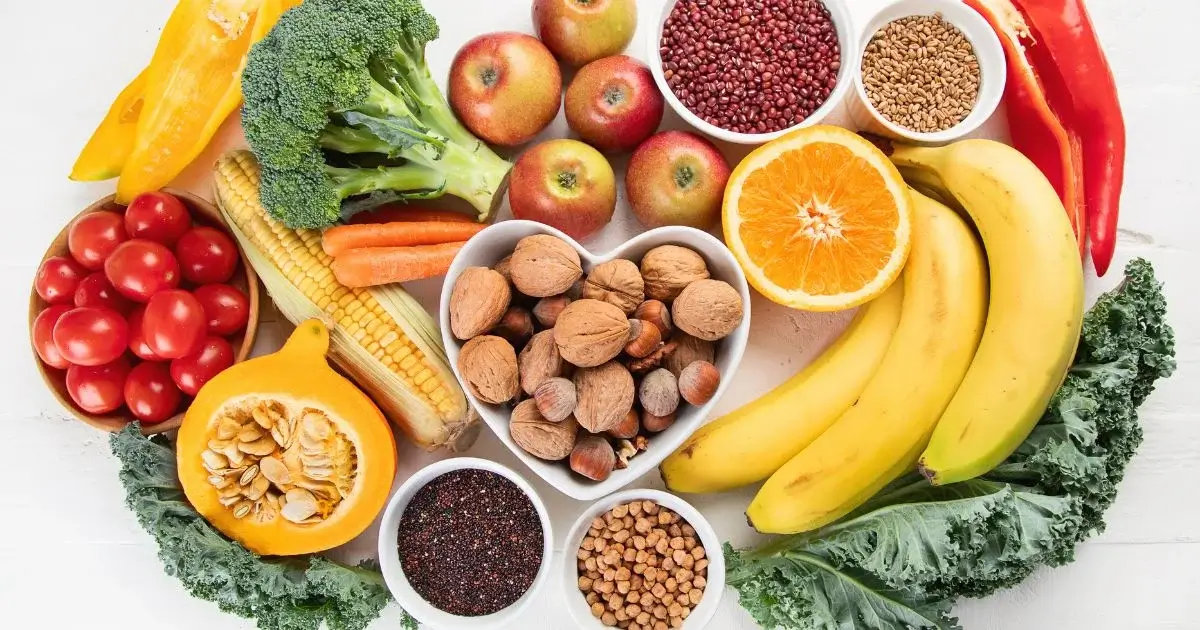
Whole foods deliver nutrients in combinations your body recognizes. An orange contains vitamin C alongside fibre, potassium, and flavonoids that work together. A supplement contains ascorbic acid in isolation.
Bioavailability, or how much your body absorbs, matters more than the number on the label. Iron from red meat absorbs significantly better than iron from spinach. The difference comes down to the form: animal sources contain heme iron; plant sources contain non-heme iron.
The gap isn't small. HealthLinkBC puts heme iron absorption at two to three times higher than non-heme sources. Eating spinach alone won't rebuild depleted stores in most people. Your body treats the two forms differently at the absorption stage, which is why someone can eat iron-rich plants daily and still have low ferritin.
Iron supplements list the dose on the label, but how much your body actually absorbs depends on the type. Some contain more iron per pill but cause more stomach upset. Others are gentler but require taking more pills to get the same amount of iron into your system.
The cheapest option often causes the most side effects. The most expensive doesn't always absorb better. A pharmacist consultation before you pick one off the shelf helps you choose the right form for your situation.
You can't overdose on vitamin A from carrots. Your body converts beta-carotene from food into the active form as needed, then stops. A supplement bypasses that regulation entirely.
When Diet Alone Won't Close the Gap
Medications create deficiencies no amount of food will fix. Proton pump inhibitors like omeprazole (Losec) reduce stomach acid, which means you absorb less B12 over time. Take one daily for a year, and Mayo Clinic tracked this: the deficiency risk goes up after twelve months of daily use.
Metformin depletes B12 in a substantial number of people who take it long-term. Proton pump inhibitors affect B12 and magnesium. Diuretics affect magnesium and potassium. Spotting these patterns before they show up in blood work depends on knowing which medications create gaps. The absorption problem is structural, not dietary.
Pregnancy vitamins address folate needs beyond what food typically provides, which is why Health Canada's pregnancy guidelines specify a daily multivitamin with folic acid throughout all three trimesters. That's difficult to achieve through food alone, particularly in the first trimester when nausea limits what you can keep down. Folate from supplements prevents neural tube birth defects affecting the brain and spine.
Vitamin D represents another gap food doesn't close for most Canadians. October through March, the sun angle in Kitchener and Guelph doesn't trigger vitamin D production in your skin. Osteoporosis Canada's research shows the same pattern across southern Ontario.
Reduced daylight and skin exposure make it impossible to produce adequate vitamin D during winter months. Fatty fish, fortified milk, and eggs contain some, but not enough to maintain levels through winter. Someone eating salmon twice a week and drinking fortified milk daily still won't hit adequate levels without supplementing between October and March. Blood work showing low vitamin D means supplementing.
The Multivitamin Question
Multivitamins are sold as insurance, but they don't insure against anything specific. When diet covers the bases, you're paying for nutrients your body can't use. When you have an actual deficiency, the doses are too low to fix it.
Calcium and iron compete for absorption. Zinc and copper do the same. A multivitamin that contains all four means you're absorbing less of each than the label suggests.
Older adults with poor appetites benefit, along with people with restrictive diets and anyone who can't eat a wide variety of foods, though taking one "just in case" assumes a problem that might not exist.
What Blood Work Actually Shows
Ferritin (the measure of iron stored in your body) below 30 ng/mL means iron stores are low, even when hemoglobin looks normal, while low vitamin D and low B12 signal deficiency and inadequate absorption, whether from diet or medication interference.
Magnesium doesn't show up on standard panels. Only one percent of your body's magnesium is in your blood. The rest is in bones and soft tissue. A normal blood magnesium test doesn't rule out deficiency. Proton pump inhibitors and diuretics both deplete magnesium. When taking either, symptoms matter more than the number.

When Supplementing Creates New Problems
Calcium blocks thyroid medication. Take both at the same time and your levothyroxine (Synthroid) stops working as intended. The separation needs to be four hours minimum, but that detail doesn't always come up at pickup.
People take their thyroid pill in the morning with a calcium-fortified multivitamin and spend months wondering why their levels won't stabilize. How to talk to your pharmacist about these interactions makes the conversation easier.
High-dose vitamin E and fish oil both thin blood, which means adding either one to warfarin (Coumadin) raises bleeding risk. The interaction isn't theoretical. Mayo Clinic's drug interaction database flags this combination specifically. It shows up in INR tests and bruising that wasn't there before.
Iron and calcium block each other's absorption. Take both and you're absorbing less of each. Iron also blocks levothyroxine, so that needs separation too.
Too much vitamin A increases fracture risk in older adults. Too much folic acid can mask a B12 deficiency, leading to nerve damage that doesn't reverse. The upper limit exists because harm starts above it.
What Works, What Doesn't, What Depends
Vitamin D works when levels are low, and the dose depends on how deficient you are, with a maintenance dose keeping levels steady while a higher dose rebuilds them. Recheck blood work in three months.
Iron works if you take enough of it and separate it from anything that blocks absorption. Coffee, tea, calcium, and antacids all interfere. Take iron on an empty stomach with orange juice if you can tolerate it, or with food if you can't. Expect results in six to eight weeks. The timing matters as much as the dose.
B12 works, but the form matters. Some versions are cheaper, others absorb better for people with absorption issues, and forms that dissolve under your tongue (sublingual) bypass the stomach entirely, which matters when taking a proton pump inhibitor.
Magnesium addresses muscle cramps, constipation, and sleep when deficiency exists, with magnesium citrate absorbing well but potentially loosening stools, while magnesium glycinate is gentler and magnesium oxide is cheap but poorly absorbed.
Probiotics are harder. Strain-specific benefits exist (Lactobacillus rhamnosus GG reduces antibiotic-associated diarrhea, Saccharomyces boulardii addresses C. difficile infections), but most probiotic supplements don't list strains or doses clearly enough to know if you're getting a therapeutic amount.
The Pattern That Shows Up in Consultations
Blood work comes back normal. The multivitamin keeps getting refilled. Six months later, thyroid levels are off and nobody connected it to the calcium being taken at the same time as levothyroxine. The medication was working fine until the supplement interfered. The problem wasn't the thyroid medication or the dose. It was supplement timing.
Ferritin sits at 8 ng/mL, spinach gets added to every meal, and three months later nothing's moved because non-heme iron from plants doesn't absorb well enough to rebuild stores that depleted. More spinach won't fix what form can't solve.
What a Medication Review Covers
A full medication review goes through every prescription, over-the-counter product, and supplement you're taking. It identifies interactions, redundancies, and gaps. Someone taking omeprazole for acid reflux might not know it's affecting their B12 absorption. Someone on levothyroxine might not realize their calcium supplement is blocking it. Most people don't connect the dots between what they're taking and why certain things aren't working.
The review catches combinations that don't make sense. Taking a multivitamin, a separate calcium supplement, and a vitamin D supplement creates overlap. When diet already includes fortified foods (milk, orange juice, cereal), certain nutrients pile up faster than expected.
Cook's pharmacists explain what to expect from a supplement if you do need one: how long before levels improve, what side effects to watch for, when to recheck blood work, and whether citrate, sulfate, or oxide is the best option for absorption or tolerance.
Medication reviews at Cook's are available at all locations. The review takes about thirty minutes. If you're taking supplements without knowing what your blood work shows, book a medication review. Cook's pharmacists go through your complete list and identify what's working, what's competing, and what you don't need.




Contributors

Latest Posts
Show All Recent Posts
Archive
-
2026
-
October
-
September
-
August
-
July
-
June
-
May
-
April
-
March
-
February
-
January
-
-
2025
-
December
-
November
-
October
-
September
-
August
-
July
-
June
-
May
-
April
-
March
-
February
-
January
-
-
2024
-
December
-
November
-
October
-
September
-
August
-
July
-
June
-
May
-
April
-
March
-
February
-
January
-
-
2023
-
December
-
November
-
October
-
September
-
August
-
May
-
April
-
March
-
February
-
January
-
-
2022
-
December
-
November
-
October
-
September
-
August
-
July
-
June
-
May
-
April
-
February
-