
Blog
Pharmacogenetic Testing: What is it, and How Can it Improve Your Prescriptions?
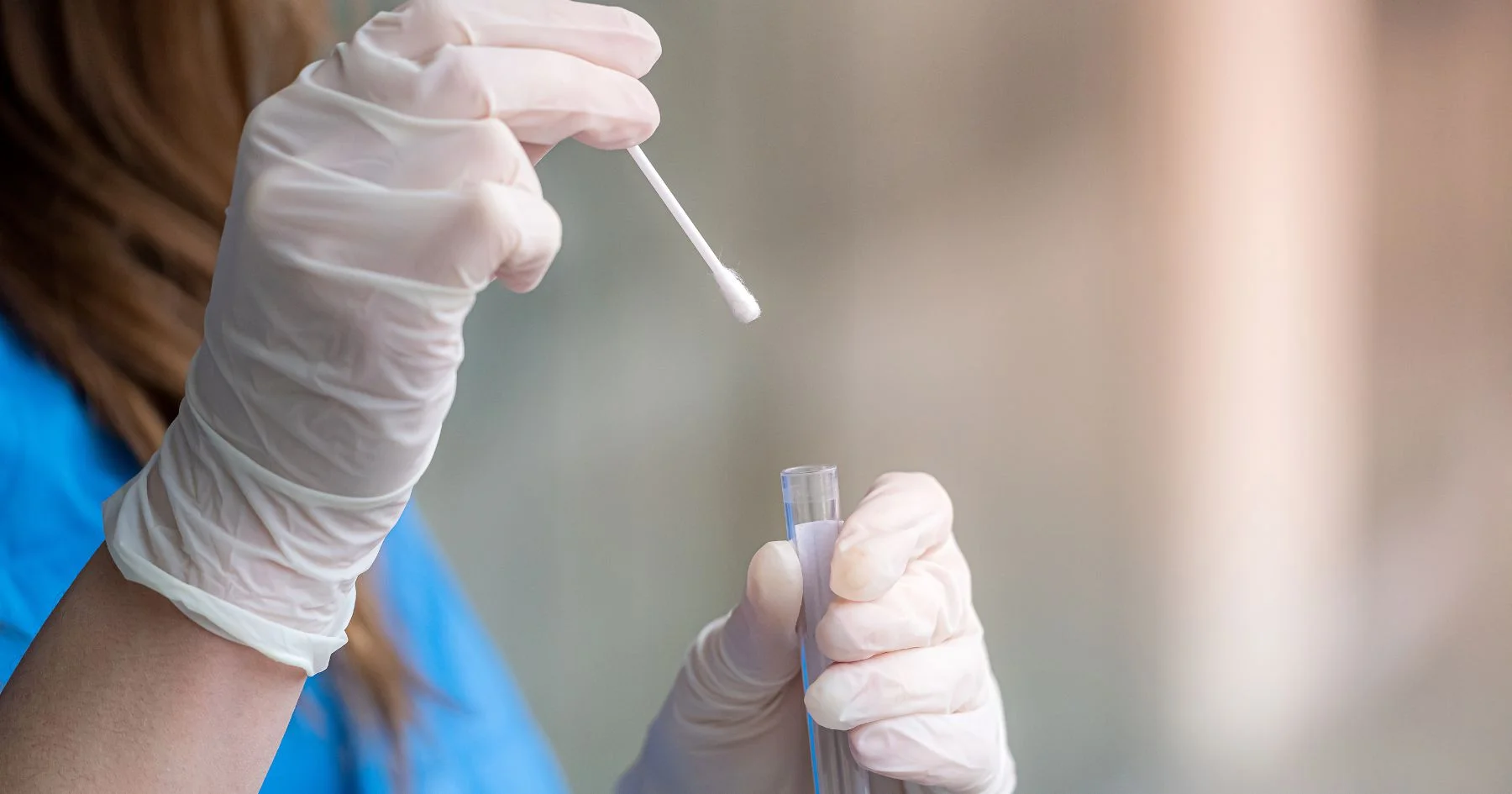
Three months, two antidepressants, zero results. Someone doing everything right, taking the medication, showing up to appointments, reporting back honestly, and still not getting better.
The assumption, usually, is that they just need to keep trying. The next one will work. It's the dose. Nobody mentions that their DNA might be the reason the first two didn't fit.
That's not a rare situation. Close to half of patients don't respond to the first antidepressant prescribed, and for a significant portion of them, the mismatch isn't about the diagnosis, it's about how their body breaks the drug down. A cheek swab before that first prescription might have pointed somewhere more useful on day one.
Depression is just the most familiar example. The same issue shows up with pain medications, blood thinners, cholesterol drugs, andmore. That's what pharmacogenetic testing does, and most patients have never been offered it.
Your Genes Affect How Drugs Work in Your Body
Every drug you take gets broken down by enzymes in your liver. Two of the most important are CYP2D6 and CYP2C19. Together, they process roughly 40% of all common prescriptions: antidepressants, beta-blockers, opioids, stomach acid drugs, and more.
Not everyone makes these enzymes the same way. Some people are "poor metabolisers." Their body breaks a drug down too slowly, so it builds up and causes side effects at doses that are fine for most people. Others are "ultrarapid metabolisers," meaning the drug clears their system so fast it never reaches a useful level in the blood.
The Ontario Pharmacists Association puts it plainly: more than 90% of patients have at least one DNA variant that affects how they respond to a medication. There's nothing to feel, no warning signs, just drugs that don't work right and no clear reason why. And yet for most of those people, their prescriber has never had access to that information.
What Pharmacogenomic Testing Actually Involves
The test itself is a cheek swab, a medication DNA test in everything but name. It goes to a lab, results come back in about a week, no blood draw, no fasting, no specialist referral needed. The report looks only at the genes tied to how your body handles drugs, not ancestry, not disease risk.
Cook's offers this through a partnership with Inagene, whose results come back in a colour-coded format covering responses to over 200 medications. A pharmacist trained in gene-guided prescribing reviews those results alongside your current prescription list. What you get is practical: which drugs are likely to work well for your biology, which carry higher risk, and where your dose might need adjusting.
Because your DNA doesn't change, the test is done once. Most providers give you access to results through a secure online account, which matters more than it sounds. People change doctors, move cities, see new specialists. Your gene profile doesn't expire. If you're a student at Waterloo or Laurier seeing a campus doctor for the first time, that report travels with you. Same if you move or switch family doctors down the road.
The Drugs Most Affected by Genetic Variation
CYP2D6 alone handles about 25% of all prescribed drugs. That list includes SSRIs like paroxetine and fluoxetine, older antidepressants like amitriptyline, codeine, tramadol, and several antipsychotics. CYP2C19 covers another 15% — omeprazole, some antidepressants, antifungal drugs.
Codeine is the clearest example of what goes wrong. For a poor CYP2D6 metaboliser, codeine does nothing. Their body can't convert it to morphine, which is what kills the pain. For someone who converts it too fast, the same standard dose can push morphine to a dangerous level in the blood. Same drug, same instructions, two vastly different outcomes.
Statins are another area where genetics matter more than most patients realise.Clev eland Clinic notes that variants in the SLCO1B1 gene can cause muscle pain and weakness in people taking common cholesterol drugs including atorvastatin, rosuvastatin, and simvastatin.
Patients who develop these side effects often stop their medication, assuming it just doesn't agree with them. A gene test could have flagged the risk before the first pill. Blood thinners are similar. Certain CYP2C19 variants mean clopidogrel (Plavix) doesn't activate properly — which matters considerably when the drug's job is stroke or heart attack prevention.
A 2024 study in the British Journal of Clinical Pharmacology tracked more than 5,000 patients on Escitalopram, commonly prescribed in Canada as Cipralex, and found that people who were poor metabolisers of both CYP2C19 and CYP2D6 had four times the drug level in their blood at the identical prescribed dose.
It explains a lot of side effects that get written off as the patient being "sensitive," when the real issue is biology.
Why This Matters for Canadians
Adverse drug reactions are a bigger problem here than most people realise, and for the drug categories where CYP enzyme variation is well-documented, genetics explain far more cases than most prescribers have had a way to check.
Coverage has improved. Many workplace drug plans now include pharmacogenetic testing as an eligible expense when paired with a pharmacist's drug review, and some insurers cover it under extended health benefits. Most plans cover the cost once in a lifetime, so checking your benefits before you order is worth doing.
And under Canada's Genetic Non-Discrimination Act, employers and insurers can't use your genetic test results against you, worth knowing before the privacy concern stops someone from testing.
When Gene-Guided Prescribing Actually Makes Sense
If you've tried two or more drugs for the same condition without the results you expected, your gene type is a logical place to look. The same applies if you're managing five or more prescriptions at once, because the chance of an undetected interaction or metaboliser mismatch climbs with each drug added.
It's also worth considering proactively, even without a current medication problem. Someone tested today has a report that's just as useful ten or twenty years from now. For the conditions where drug metabolism is most variable, depression, chronic pain, cardiovascular disease, getting ahead of the guesswork has real value.
Side effects at normal doses are another signal worth paying attention to. If a drug made you feel worse than expected, or doses kept changing without a clear reason, a gene test can sometimes explain that quickly.
A patient who developed severe fatigue on a standard SSRI dose, for instance, may simply be a poor metaboliser, their blood levels running two or three times higher than intended at the exact prescribed amount. Not a sensitivity issue. A biology issue.
Mental health treatment is where the research base is strongest. The link between CYP2C19 and CYP2D6 variation and antidepressant outcomes is well-established, and pharmacists reviewing gene results in this context can make specific, evidence-based adjustments that wouldn't be possible from a prescription history alone.
How a Pharmacist Puts the Results to Work
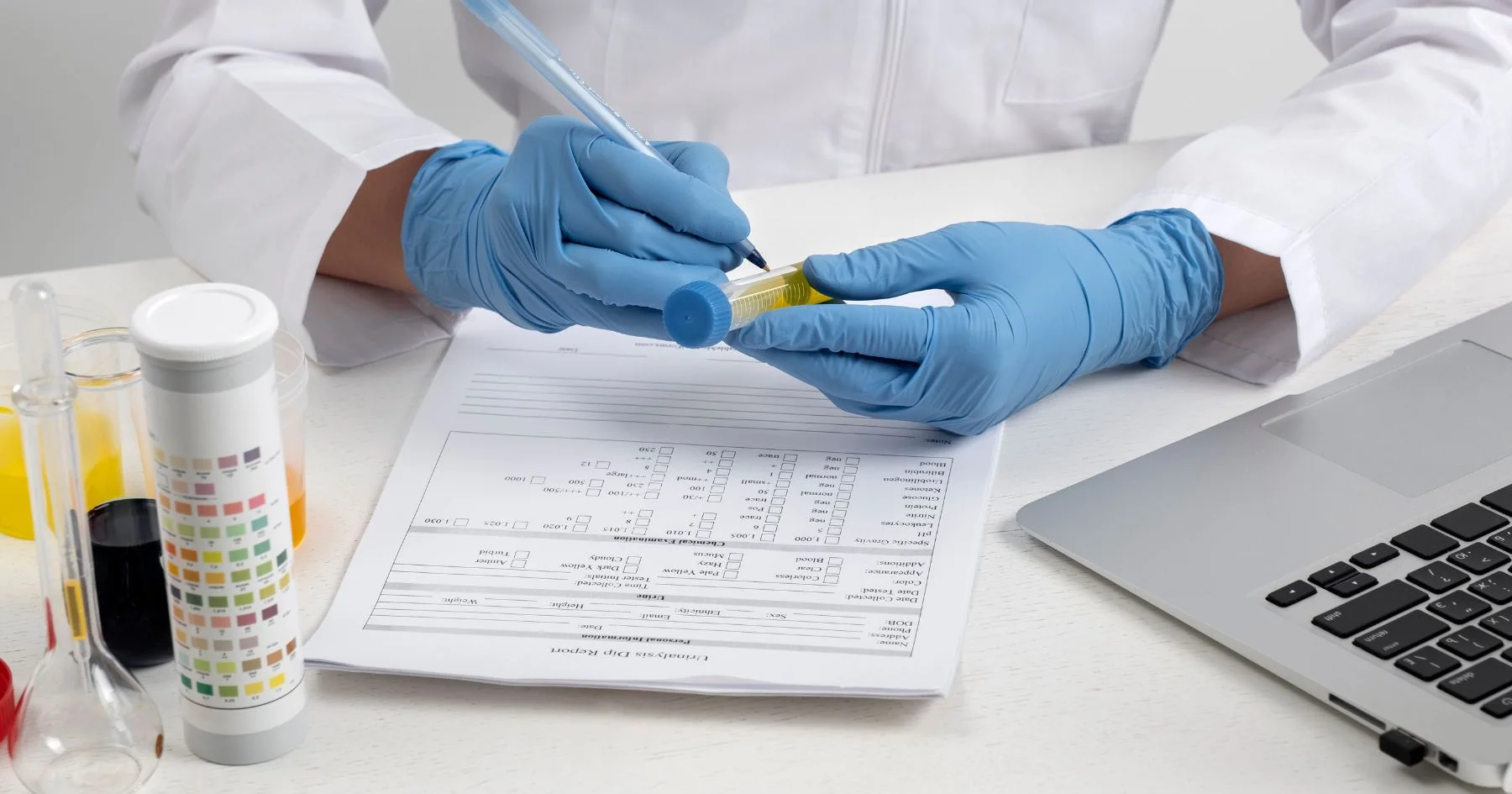
The report isn't a prescription on its own. It's a piece of data, and what happens with it matters. A pharmacist reviewing your full drug list alongside your gene results can make specific choices that wouldn't otherwise be possible, and that's a different kind of conversation than most patients have ever had with a prescriber.
Instead of starting with the most prescribed option and waiting to see what happens, the pharmacist can look at your profile and say: this SSRI is a poor fit for your gene type, but this one processes through a different pathway, start here instead. That's not guessing. That's drug metabolism applied to your actual biology.
This is also where continuity matters. A pharmacist who knows your history, what you've tried, what caused problems, what you're currently on, can connect a gene result to your situation immediately rather than piecing it together from scratch. At Cook's, that kind of ongoing relationship is what makes the test more than a report.
Gene-guided prescribing is moving from specialty care into everyday community pharmacy. Pharmacists are increasingly trained to put these results to work, and the tools to do it are more accessible than they've ever been.
For patients who've spent months on medications that didn't fit their biology, that shift is overdue. It doesn't fix every prescription problem, but for the drug categories where enzyme variation is well-established, it removes a significant piece of the guesswork before the trial-and-error starts.
What Happens at Cook's
The appointment takes about 30 minutes. A pharmacist goes through your current medications, flags anything worth watching, and explains what the results will and won't tell you. The swab takes a minute. Results come back in about a week, and when they do, you go through them together, not handed a printout and sent on your way.
If your gene profile points to a better option for something you're already taking, that conversation happens then. If everything looks fine, that's worth knowing too. One swab. One week. A prescription history that finally makes sense.
Book at your nearest Cook's location in Kitchener or Guelph, or ask at the counter next time you're in.




Contributors

Latest Posts
Show All Recent Posts
Archive
-
2026
-
October
-
September
-
August
-
July
-
June
-
May
-
April
-
March
-
February
-
January
-
-
2025
-
December
-
November
-
October
-
September
-
August
-
July
-
June
-
May
-
April
-
March
-
February
-
January
-
-
2024
-
December
-
November
-
October
-
September
-
August
-
July
-
June
-
May
-
April
-
March
-
February
-
January
-
-
2023
-
December
-
November
-
October
-
September
-
August
-
May
-
April
-
March
-
February
-
January
-
-
2022
-
December
-
November
-
October
-
September
-
August
-
July
-
June
-
May
-
April
-
February
-