
Blog
The Truth About Supplements: What Works, What Doesn’t, and What to Ask Your Pharmacist
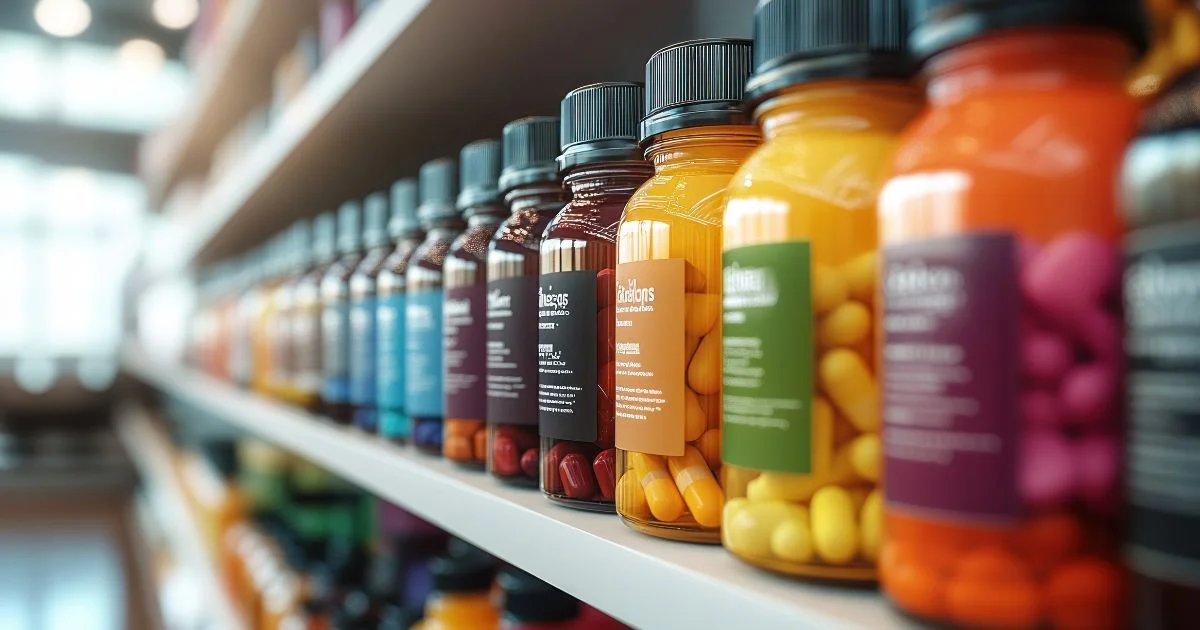
You're standing in the supplement aisle, staring at shelves packed with bottles promising everything from better sleep to stronger bones. Your phone is open to three different articles, each saying something completely different. Sound familiar?
Navigating supplements can feel overwhelming. Some products have solid research showing they work, while others have little proof behind their claims. Sometimes figuring out which is which feels like you need a Pharmacy degree.
Good news: we've got the pharmacy degrees, and we're happy to share what we know.
What Supplements Actually Are (And Aren't)
In Canada, supplements are regulated as natural health products. When shopping, look for the eight-digit Natural Product Number (NPN) or Homeopathic Medicine Number (DIN-HM) on the label. These numbers tell you the product has been reviewed by Health Canada for safety, quality, and health claims.
Most people don't realize that the term "natural" on a label doesn't automatically guarantee better results or safety. What matters most is finding products with quality ingredients, proper formulation, and evidence to support their use for your specific needs.
We see patients who've spent hundreds on supplements they don't need, while missing ones that could help them. This isn't your fault, the marketing is confusing by design.
Supplements That Actually Work

Not all supplements are created equal. Some have solid research behind them:
Vitamin D
Who needs it: Most Canadians, especially during winter months.
Why it works: Our bodies make vitamin D from sunlight, but northern latitudes mean we don't get enough from October to April.
What we see: Better immune function, mood improvement, and stronger bones
How much: 1000-2000 IU daily for most adults (more for those with deficiency)
Food sources: Fatty fish, fortified dairy, egg yolks, but it's hard to get enough from food alone in winter.
The Canadian Paediatric Society and Osteoporosis Canada both recommend vitamin D supplementation, especially during winter months. Health Canada acknowledges that many Canadians don't get adequate vitamin D from diet alone, particularly during the winter months when UVB exposure is limited.
Omega-3 Fatty Acids
Who needs it: People who eat little or no fatty fish.
Why it works: Reduces inflammation and supports heart and brain health.
What we see: Improved cholesterol profiles and reduced joint pain in many patients.
How much: 1000-2000mg of combined EPA and DHA daily.
Food sources: Fatty fish such as salmon, mackerel, sardines (2-3 servings weekly provides adequate amounts).
Omega-3 fatty acids may help reduce the risk of heart disease and stroke. Health Canada has approved health claims for omega-3s related to heart health.
Quality matters enormously with omega-3s. Many supplements oxidise easily or don't contain the amounts listed on the label. We can help you find ones that deliver what they promise.
Magnesium
Who needs it: People with muscle cramps, sleep issues, or high stress.
Why it works: Supports over 300 enzyme reactions in your body.
What we see: Better sleep quality, fewer muscle cramps, and sometimes even improvement in mood.
How much: 200-400mg daily (varies by form).
Food sources: Dark leafy greens, nuts, seeds, beans, whole grains.
Canadians don't get enough magnesium from their diets alone. The form of magnesium matters tremendously. Magnesium oxide is poorly absorbed but common in cheap supplements. Magnesium glycinate and citrate are much better utilized by the body.
Iron
Who needs it: Menstruating women, pregnant women, vegetarians/vegans.
Why it works: Essential for oxygen transport in blood.
What we see: Improved energy levels and reduced fatigue.
How much: Varies widely based on need (get levels checked before supplementing).
Food sources: Red meat, poultry, fortified cereals, beans, lentils.
The Society of Obstetricians and Gynaecologists of Canada recommend iron supplementation during pregnancy. Iron deficiency is the most common nutrient deficiency worldwide, affecting many Canadians.
Iron is tricky—too little causes problems but so does too much. Never supplement without knowing your levels, especially if you're male or post-menopausal.
B12
Who needs it: Vegetarians, vegans, adults over 50, and people on certain medications.
Why it works: Critical for nerve function and red blood cell formation.
What we see: Improved energy and cognitive function.
How much: 500-1000mcg daily for those at risk of deficiency.
Food sources: Animal products only (meat, fish, dairy, eggs).
B12 deficiency is a concern for older adults and those following plant-based diets. Its absorption decreases with age, which is why recommendations are higher for people over 50.
Supplements With Mixed Evidence
These supplements show promise but don't have as much research backing them up:
Probiotics
The good: Can help with specific digestive issues and after antibiotic use
The catch: Strain matters enormously, and most products don't contain enough live bacteria
What we recommend: Specific strains for specific conditions, and always refrigerated products
Food sources: Yogurt, kefir, fermented foods
Generic probiotics rarely help. Different strains have different effects, and most store brands don't deliver enough live bacteria to make a difference.
Canadian research centres including the University of Toronto have shown promising results for specific probiotic strains in certain conditions.
Collagen
The good: Some studies show improvements in skin elasticity and joint comfort.
The catch: Your body breaks down collagen into amino acids, so it's unclear if supplements offer advantages over protein-rich foods.
What we recommend: Hydrolysed collagen if you want to try it.
Food sources: Bone broth, meat with connective tissue.
The research on collagen is getting stronger, especially for joint health. But quality and source matter tremendously.
Turmeric/Curcumin
The good: Anti-inflammatory properties in lab studies.
The catch: Poor absorption unless specifically formulated.
What we recommend: Products with black pepper extract (piperine) to improve absorption.
Food sources: Turmeric root in cooking (though amounts are small).
Quality curcumin supplements may offer joint pain relief, but only when they contain ingredients that boost absorption. Even the Canadian Arthritis Society has noticed the potential benefits for joint pain in some people, though they agree that more research is needed.
Coenzyme Q10 (CoQ10)
The good: May help reduce statin side effects and support heart health.
The catch: Benefits mainly seen in specific populations.
What we recommend: Consider if you're on statins and experiencing muscle pain.
Food sources: Organ meats, fatty fish, whole grains (but in lesser amounts).
CoQ10 levels naturally decline with age and can drop further when taking statin medications. Research continues to explore its potential benefits for overall heart health. If you're experiencing muscle pain while on statins, CoQ10 might be worth discussing with your pharmacist.
Supplements That Probably Don't Work
Sorry to burst bubbles, but research doesn't support these popular supplements:
Vitamin C for cold prevention
What people think: It prevents colds.
What research shows: It might slightly reduce duration but doesn't prevent colds.
Better option: Adequate sleep and hand washing prevent more colds than vitamin C ever will.
Save your money—vitamin C won't stop that cold. Good sleep and regular hand washing are far more effective at keeping you healthy during cold season.
Detox supplements
What people think: They remove "toxins".
What research shows: Your liver and kidneys already detox your body effectively.
Better option: Support your natural detox systems with adequate water and a varied diet.
The term "toxins" in supplement marketing is a red flag. If someone can't tell you exactly what toxin their product removes, be sceptical.
Weight loss supplements
What people think: They speed metabolism and burn fat.
What research shows: Minimal effects that disappear when you stop taking them.
Better option: Sustainable dietary changes and regular physical activity.
We've had patients spend thousands on supplements promising quick weight loss. None work better than modest changes to diet and activity that you can maintain long-term.
Vitamin E supplements
What people think: Powerful antioxidant protection.
What research shows: May increase mortality at high doses.
Better option: Nuts, seeds, and vegetable oils provide all the vitamin E most people need.
This one surprises most people. Vitamin E from food sources appears beneficial, but isolated supplements don't show the same benefits.
When to Talk to Your Pharmacist About Supplements
We see patients taking supplements incorrectly all the time. Talk to us before starting supplements if:
You take prescription medications (interactions are common).
You have chronic health conditions like high blood pressure or diabetes.
You're pregnant or breastfeeding.
You're planning surgery (many supplements affect bleeding risk).
You're taking multiple supplements (possible duplicate ingredients).
You're not sure what form or dose is right for you.
At Cook's Pharmacy, we do supplement reviews just like medication reviews. We've seen everything from dangerous interactions to people taking expensive supplements their bodies can't even absorb.
Making Smart Supplement Choices

Supplements can be valuable tools when used correctly. They shouldn't replace healthy eating, but they can fill specific nutritional gaps.
The key is being strategic. Not everyone needs the same supplements, and more is certainly not better.
Rather than grabbing whatever's on sale or whatever you saw on social media, take a targeted approach based on your unique needs. A good supplement strategy addresses your specific health concerns, fits your budget, and complements your diet, not replaces it.
Questions about what might work for your specific situation?
Our Pharmacists at Cook's are here to help figure it out. We've probably dealt with your exact situation before. And unlike the internet, we won't try to sell you something you don't need.




Contributors

Latest Posts
Show All Recent Posts
Archive
-
2026
-
October
-
September
-
August
-
July
-
June
-
May
-
April
-
March
-
February
-
January
-
-
2025
-
December
-
November
-
October
-
September
-
August
-
July
-
June
-
May
-
April
-
March
-
February
-
January
-
-
2024
-
December
-
November
-
October
-
September
-
August
-
July
-
June
-
May
-
April
-
March
-
February
-
January
-
-
2023
-
December
-
November
-
October
-
September
-
August
-
May
-
April
-
March
-
February
-
January
-
-
2022
-
December
-
November
-
October
-
September
-
August
-
July
-
June
-
May
-
April
-
February
-